Consumer Demand for Healthier Pet Foods
Consumer Demand for Healthier Pet Foods: Driving Innovation in the Pet Food Ingredient Industry
What is the Regulatory Landscape for Pet Food Ingredient Suppliers? .
In recent years, the pet food industry has undergone a significant transformation, spurred predominantly by an increasing consumer demand for healthier pet foods. This shift is not just a fleeting trend; it reflects a deeper, more enduring change in how pet owners view their furry companions and their nutritional needs. As pets are increasingly considered integral members of the family, consumers are seeking higher-quality, nutritionally balanced food options that mirror human health trends. This burgeoning demand is driving remarkable innovation within the pet food ingredient industry.
One of the primary catalysts for this change is heightened awareness among pet owners regarding the ingredients in traditional pet foods. Much like their concern for their own diets, consumers are scrutinizing labels and questioning additives, fillers, and artificial preservatives commonly found in commercial products. This scrutiny has led to a surge in interest for natural and organic ingredients free from harmful chemicals or low-nutritional-value components. Consequently, manufacturers are compelled to source higher quality ingredients such as whole grains, real meats, vegetables, and fruits that promise greater health benefits.
Moreover, the rise of specific dietary preferences and restrictions among humans has extended into the realm of pet nutrition. Trends such as grain-free diets, gluten-free options, and high-protein formulas have gained traction within the market. Pet owners who follow these diets themselves or believe them to be beneficial are likely to seek similar nutrition plans for their pets. This phenomenon has paved the way for innovative recipes tailored to meet various dietary requirements while ensuring complete and balanced nutrition.
Another influential factor pushing innovation forward is scientific advancement in understanding animal nutrition. Researchers continue to uncover nuanced insights into how different nutrients affect animal health—ranging from metabolism to cognitive function—which directly inform new product development strategies. For instance, including omega-3 fatty acids known for supporting joint health or antioxidants believed to enhance immune function demonstrates how science drives ingredient choices aimed at specific health outcomes.
Sustainability concerns also play a critical role in shaping modern consumer expectations around pet food production processes. Environmentally conscious buyers prefer brands that prioritize sustainable sourcing methods and eco-friendly packaging solutions over those with large carbon footprints or unethical practices related to meat procurement or deforestation-linked crops like soybeans used traditionally as livestock feedstuff but now scrutinized heavily by green activists worldwide due its impact on rainforests especially Amazonia region . Innovators respond by focusing on alternative protein sources such as insect-based meals which require fewer resources compared conventional livestock farming thus reducing overall environmental impact significantly .
Additionally , there’s been increasing emphasis placed upon transparency throughout supply chains ensuring traceability back farm level whenever possible . Consumers want know exactly where each component comes from so they can trust claims being made about ethical treatment animals involved process whether wild caught fish sustainably harvested ocean fisheries responsibly reared chickens local farms adhering humane standards .
In conclusion , consumer demand healthier pet foods undeniably propelling wave unprecedented innovation across entire spectrum facets comprising today’s dynamic ever evolving landscape within global context encompassing myriad interconnected dimensions spanning nutritional efficacy sustainability ethics technological advancements transparency accountability et cetera ultimately creating win-win scenario benefiting both beloved four-legged friends planet alike fostering stronger bonds between humans animals enriching lives immeasurably myriad ways imaginable beyond mere sustenance alone redefining what truly means nurture nourish those hold dear hearts homes forevermore .
Advances in Nutritional Science and Research
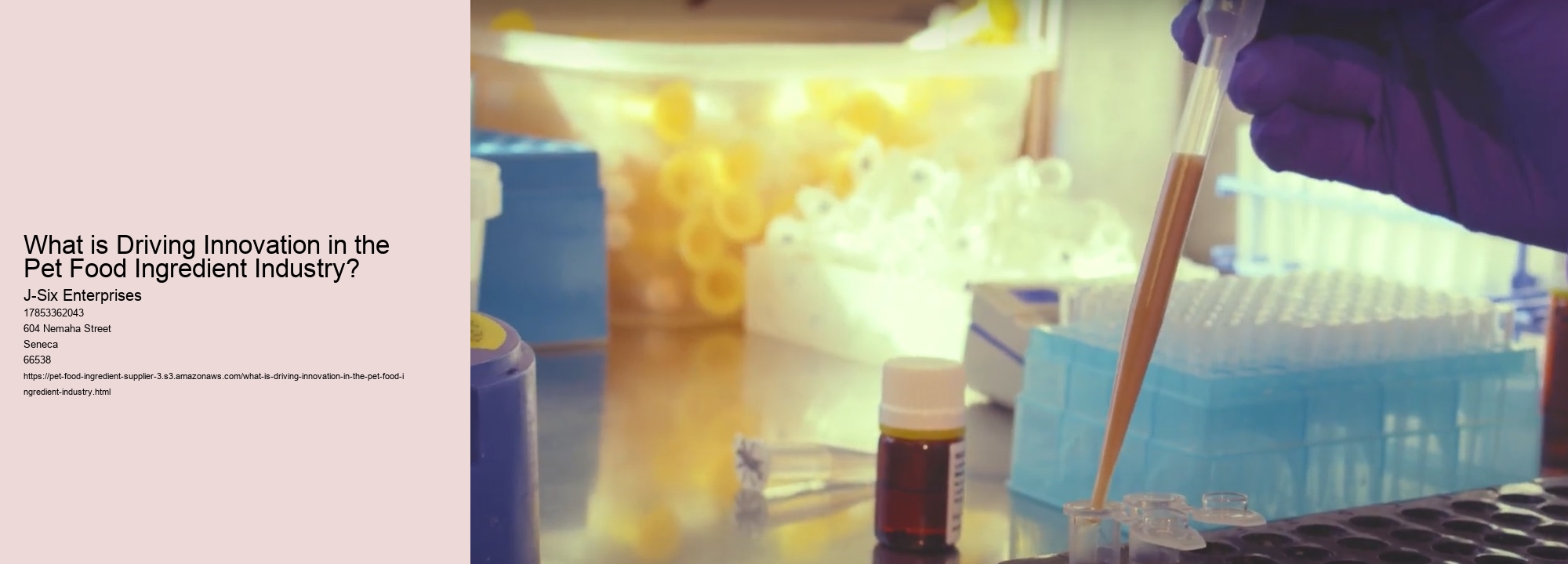
The pet food industry has undergone a significant transformation in recent years, driven by advances in nutritional science and research. As pet owners become increasingly conscious of what they feed their furry companions, the demand for high-quality, nutritious, and innovative pet food ingredients is on the rise. Several key factors are driving innovation in the pet food ingredient industry, ranging from evolving consumer preferences to breakthroughs in scientific understanding.
One of the primary drivers of innovation is the growing awareness and concern among pet owners about the health and well-being of their pets. Modern consumers are more informed than ever before, thanks to easy access to information via the internet and social media. This increased awareness has led to a shift towards premium and specialized diets tailored to specific health needs or lifestyle choices, such as grain-free formulas, organic ingredients, or high-protein diets for active pets.
Scientific advancements have also played a critical role in propelling innovation within this sector. Research into animal nutrition has revealed new insights into how different ingredients affect pet health. For instance, studies on gut microbiota have highlighted the importance of prebiotics and probiotics in maintaining digestive health. This knowledge has spurred the development of functional foods that not only meet basic nutritional requirements but also promote overall wellness.
Another significant factor is sustainability. As concerns about environmental impact grow globally, both consumers and manufacturers are looking for ways to reduce their ecological footprint. This has led to an interest in sustainable sourcing practices and alternative protein sources such as insect protein or plant-based proteins like peas and lentils. These alternatives not only address sustainability issues but also cater to pets with specific dietary restrictions or sensitivities.
Technology is another catalyst for change in the pet food ingredient industry. Advances in biotechnology have enabled the creation of novel ingredients that were previously unimaginable. For example, lab-grown meat technology promises a future where cultured meat can be used as a sustainable and ethical source of animal protein for pets without relying on traditional livestock farming.
Moreover, personalized nutrition is emerging as an exciting frontier within this field. Leveraging data analytics and genetic testing allows companies to formulate customized diets that cater specifically to an individual pet's unique genetic makeup and health conditions. This bespoke approach ensures optimal nutrition tailored precisely for each animal’s needs.
Finally, regulatory changes are shaping innovations too; stricter regulations regarding ingredient transparency mean that manufacturers must adhere rigorously to quality standards while being transparent about ingredient sourcing processes which fosters trust among discerning consumers who demand nothing less than excellence when it comes down feeding their beloved animals
In conclusion ,the convergence between heightened consumer awareness ,cutting-edge scientific research,sustainability efforts,revolutionary technological developments,and stringent regulatory frameworks collectively fuel continuous innovations within dynamic realm Pet Food Ingredient Industry ensuring our four-legged friends receive best possible care through improved,nutritious meal options designed keeping them utmost priority
Sustainability and Eco-Friendly Ingredients
Sustainability and eco-friendly ingredients are becoming significant driving forces in the innovation of the pet food ingredient industry. As global awareness about environmental issues grows, consumers are increasingly seeking products that align with their values of sustainability and ecological responsibility. This shift in consumer preference compels pet food manufacturers to rethink their ingredient sourcing and production processes.
One of the primary motivations for incorporating sustainable practices is the urgent need to reduce the environmental footprint associated with traditional pet food production. Conventional methods often rely heavily on resource-intensive animal agriculture, which contributes significantly to greenhouse gas emissions, deforestation, and water pollution. In contrast, eco-friendly ingredients such as plant-based proteins, insects, and lab-grown meat offer a more sustainable alternative by requiring fewer resources and generating less waste.
For instance, plant-based proteins like peas, lentils, and chickpeas not only provide essential nutrients but also have a much lower environmental impact compared to animal-derived proteins. These crops typically require less land and water while emitting fewer greenhouse gases during cultivation. Similarly, insect protein is gaining traction as an efficient source of nutrition for pets. Insects such as black soldier fly larvae can be farmed using organic waste materials, turning potential pollutants into valuable feed while demanding minimal space and energy.
Another innovative approach within the industry involves sourcing ingredients from sustainable fisheries or adopting regenerative agricultural practices that restore soil health and enhance biodiversity. By choosing fish caught through responsible fishing practices or supporting farms that prioritize soil regeneration, companies contribute to healthier ecosystems while delivering high-quality nutrition for pets.
Moreover, lab-grown meat represents a cutting-edge development with promising implications for sustainability. By cultivating meat directly from animal cells without raising livestock, this technology aims to drastically cut down on land use and eliminate many ethical concerns associated with conventional meat production.
The push towards sustainability extends beyond just ingredient selection; it encompasses every aspect of product lifecycle management—from farming practices to packaging solutions. Many companies now adopt biodegradable or recyclable packaging materials to further minimize their environmental impact.
Consumer demand plays a crucial role in steering these innovations within the pet food industry. Pet owners today are more informed than ever before about the origins of their purchases—motivated by both concern for planetary health and desire for transparency regarding what goes into their pets' diets. As they seek out brands committed to eco-friendly practices, market dynamics naturally evolve towards greater adoption of sustainable solutions.
In conclusion, sustainability and eco-friendly ingredients stand at the forefront of driving innovation in the pet food ingredient industry amidst rising consumer consciousness around environmental stewardship. The transition towards greener alternatives not only addresses pressing ecological challenges but also aligns businesses with modern ethical standards—a win-win scenario fostering both corporate responsibility and customer satisfaction.
Technological Innovations in Ingredient Processing
The pet food industry has significantly evolved over the past few decades, driven by an increasing awareness of pet health and well-being among consumers. One of the pivotal areas contributing to this evolution is technological innovations in ingredient processing. As pet owners become more discerning and demand higher quality, safer, and nutritionally balanced products for their pets, the industry has responded with a host of cutting-edge technologies aimed at enhancing ingredient processing.
One major driver of innovation in this sector is the growing emphasis on nutritional precision. Pet food manufacturers are now leveraging advanced technologies to not only ensure that ingredients meet stringent quality standards but also that they deliver optimal nutritional value. For instance, extrusion technology has been refined to improve the bioavailability of nutrients in pet foods. By using methods such as twin-screw extrusion, manufacturers can better control temperature and pressure conditions during processing, which helps preserve essential vitamins and minerals while eliminating harmful pathogens.
Another significant trend driving technological advancements is sustainability. With global concerns about environmental impact intensifying, both consumers and companies are seeking ways to reduce their ecological footprint. Innovations like enzymatic hydrolysis allow for more efficient use of raw materials by breaking down proteins into peptides that are easier for pets to digest. This process not only maximizes the nutritional yield from each ingredient but also minimizes waste production.
Moreover, there's a burgeoning interest in alternative protein sources as traditional meat production faces scrutiny over its environmental impact and ethical considerations. Technologies such as fermentation enable the creation of novel protein ingredients from microbes or fungi, providing sustainable alternatives that do not compromise on nutrition or safety. These innovative proteins can be produced with lower resource inputs compared to conventional animal farming, making them an attractive option for eco-conscious consumers.
Safety remains a paramount concern in pet food manufacturing, propelling continuous improvements in contamination detection and prevention technologies. High-Pressure Processing (HPP) is one such technology gaining traction; it uses extreme pressure rather than heat to neutralize harmful bacteria without degrading nutrient content or flavor profiles. This method ensures a safer product while maintaining high-quality standards.
Additionally, data analytics and artificial intelligence (AI) are playing transformative roles in ingredient sourcing and formulation optimization. Advanced algorithms can analyze vast amounts of data related to ingredient properties, market trends, consumer preferences, and even individual pet needs based on genetic information or health status. This allows manufacturers to develop highly personalized nutrition solutions tailored specifically for different breeds, life stages, or dietary requirements.
In conclusion, technological innovations in ingredient processing are fundamentally reshaping the pet food industry by addressing key drivers such as nutritional precision, sustainability demands, safety concerns, and personalization trends. As these technologies continue to advance and integrate into mainstream production processes further efficiencies will be realized benefiting not only pets through improved diet options but also aligning with broader societal goals towards responsible consumption practices fostering a healthier planet overall.
Regulatory Changes and Compliance Requirements
In recent years, the pet food ingredient industry has been experiencing a dynamic shift driven by various factors, among which regulatory changes and compliance requirements stand out as major catalysts for innovation. These regulations are not merely bureaucratic hurdles; they serve as guiding principles that ensure the safety, quality, and sustainability of pet food products. As consumer awareness grows and market demands evolve, the need to comply with stringent standards has become more pronounced, pushing manufacturers to innovate in unprecedented ways.
One of the primary drivers behind these regulatory changes is the increasing concern for pet health and well-being. Governments and regulatory bodies around the globe have implemented rigorous standards for ingredient sourcing, processing methods, and nutritional content in pet foods. In response to these regulations, companies are investing heavily in research and development to discover new ingredients that meet these high standards while also providing enhanced nutritional benefits. For example, there is a growing focus on incorporating natural antioxidants, probiotics, and other functional ingredients that promote overall health in pets.
Moreover, transparency has become a key element due to regulatory pressures. Pet owners today demand clear labeling and full disclosure about what goes into their pets' food. Compliance with labeling laws requires manufacturers to be precise about ingredient lists and sourcing practices. This push towards transparency has led to innovations such as blockchain technology for supply chain tracking or advanced analytical tools for ingredient verification. These technological advancements not only help companies adhere to regulations but also build trust with consumers.
Sustainability is another critical area where regulatory changes are making an impact. With global attention on environmental issues like climate change and resource depletion, regulators are pressing the pet food industry to adopt more sustainable practices. This includes everything from reducing carbon footprints during manufacturing processes to utilizing eco-friendly packaging materials. Consequently, companies are exploring alternative protein sources such as insects or lab-grown meat which promise lower environmental impacts compared to traditional animal proteins.
Furthermore, international trade regulations play a significant role in shaping the industry’s landscape. As pet food markets expand globally, compliance with varying international standards becomes crucial for businesses aiming at entering new markets. This necessitates continuous innovation in formulation processes so that products can meet diverse regulatory requirements across different regions without compromising on quality.
While meeting these compliance requirements can be challenging and costly initially, they often drive long-term benefits by fostering innovation that leads to better products and practices within the industry. Companies find themselves compelled not just to meet minimum standards but exceed them through creative solutions that differentiate them from competitors.
In conclusion, regulatory changes and compliance requirements act as powerful motivators driving innovation within the pet food ingredient industry. By enforcing high standards for safety, transparency, sustainability,and global compatibility; they compel manufacturers towards continuous improvement and novel approaches in product development.This evolving landscape ultimately benefits all stakeholders involved—from manufacturers who gain competitive edges,to consumers who receive higher-quality options,and most importantly,the pets whose health remains at its core.
Trends in Alternative Protein Sources
In recent years, the pet food ingredient industry has been undergoing a significant transformation driven by shifting consumer preferences and increased awareness of health, sustainability, and ethical concerns. One of the most noteworthy trends fueling innovation in this sector is the rise of alternative protein sources.
Traditional pet foods have relied heavily on animal-based proteins such as chicken, beef, and fish. However, growing concerns about the environmental impact of livestock farming, coupled with ethical considerations regarding animal welfare, have spurred both consumers and manufacturers to explore more sustainable options. As a result, alternative protein sources are becoming increasingly popular in pet food formulations.
Plant-based proteins are at the forefront of this movement. Ingredients such as lentils, chickpeas, quinoa, and various legumes offer high nutritional value while being less taxing on natural resources compared to traditional meat production. These plant-derived proteins not only provide essential amino acids but also contribute to a balanced diet for pets without compromising their health needs. Moreover, plant proteins tend to have a lower carbon footprint and require less water and land than animal agriculture—an appealing factor for eco-conscious consumers.
Beyond plant-based ingredients, insect protein is emerging as another exciting frontier in pet nutrition. Insects like black soldier fly larvae are rich in protein and essential nutrients while having minimal environmental impact due to their efficient feed conversion rates and low greenhouse gas emissions. Insect farming also utilizes organic waste products as feed for insects, thereby contributing to circular economy principles by reducing food waste.
Additionally, cultured or lab-grown meat represents a cutting-edge innovation that could revolutionize both human and pet food industries alike. This technology involves cultivating animal cells in controlled environments to produce real meat without raising or slaughtering animals. Although still in its nascent stages with considerable technological and regulatory hurdles ahead, cultured meat holds promise for delivering high-quality protein with drastically reduced environmental footprint compared to conventional livestock farming.
Consumer demand is undoubtedly a driving force behind these innovations. Pet owners today are more informed than ever before about the origins and impacts of what they feed their furry companions. Many seek transparency from brands regarding ingredient sourcing practices along with assurances that products align with their values concerning sustainability and ethics.
Further compounding this trend is the increasing recognition among veterinarians and pet nutrition experts regarding potential allergies or sensitivities some pets may develop towards traditional meat proteins like beef or chicken over time due to repeated exposure throughout their lives' diets; thus diversifying available sources can be beneficial health-wise too!
Pet food companies have responded proactively by investing significantly into research & development aimed at enhancing palatability (taste), digestibility (nutrition absorption) alongside ensuring complete/balanced dietary profiles when incorporating novel proteins within formulations - all key aspects critical towards maintaining overall wellbeing across different breeds/species/ages/lifestyles etc., whilst meeting evolving market demands head-on effectively!
In conclusion: The quest for innovative solutions addressing multiple dimensions spanning ecological stewardship through holistic wellness continues shaping future trajectory around ‘alternative’ proteomics within thriving global Petcare arena – ultimately paving way forward toward healthier happier pets harmoniously coexisting amidst healthier happier planet!
Impact of Global Supply Chain Dynamics
The pet food ingredient industry is undergoing a paradigm shift, fueled by an intricate blend of factors that are driving innovation. One of the most significant influences in this evolution is the impact of global supply chain dynamics. The interconnected nature of today's global economy means that changes and disruptions in supply chains can have far-reaching effects on various industries, including pet food.
First and foremost, consumer demand for high-quality, nutritious, and sustainably sourced pet food ingredients has skyrocketed. Pet owners today are more informed and conscious about what they feed their pets, mirroring trends in human nutrition. This shift in consumer preference necessitates sourcing ingredients from diverse geographical locations to meet specific dietary needs such as grain-free options or novel protein sources like insects or exotic meats.
However, sourcing globally introduces complexity into the supply chain. Producers must navigate varying regulations, quality standards, and logistical challenges across different regions. For instance, a sudden geopolitical event or natural disaster can disrupt the availability of key ingredients like fish meal from South America or rice bran from Asia. These disruptions force companies to innovate rapidly—whether through formulating alternative recipes using locally available ingredients or investing in technology to enhance shelf-life and transportability.
Moreover, sustainability has become a critical component driving innovation within the industry. Sourcing sustainable ingredients often requires tracing their origin back to environmentally responsible practices. Global supply chain transparency is pivotal here; blockchain technology is being increasingly adopted to provide verifiable proof of sustainable practices throughout the entire product lifecycle—from farm to pet bowl. This not only meets regulatory requirements but also builds trust with eco-conscious consumers.
Technological advancements play a crucial role in mitigating some of these supply chain challenges while fostering innovation. Artificial Intelligence (AI) and Big Data analytics enable companies to predict potential disruptions before they occur by analyzing patterns related to weather conditions, political climates, and market trends globally. Such predictive capabilities allow for proactive measures rather than reactive solutions, ensuring a steady flow of necessary ingredients without compromising on quality.
Another aspect influenced by global supply chain dynamics is cost management. Fluctuations in currency exchange rates and international tariffs can significantly impact ingredient costs. To mitigate these financial risks, companies often innovate through strategic partnerships with suppliers across different regions or by diversifying their ingredient portfolios to include more cost-stable alternatives without sacrificing nutritional value.
In addition to managing costs and ensuring consistent quality, regulatory compliance across multiple jurisdictions adds another layer of complexity—and opportunity for innovation—in the pet food ingredient sector. Companies must stay abreast of varying global regulations regarding permissible additives, labeling requirements, and safety standards which differ vastly between countries like the United States versus those in Europe or Asia-Pacific regions.
Ultimately, the dynamic nature of global supply chains acts as both a challenge and catalyst for innovation within the pet food ingredient industry. By leveraging advanced technologies for better forecasting and transparency while responding agilely to consumer demands for sustainability and high-quality nutrition amidst fluctuating international markets—companies can not only survive but thrive amid these complexities.
In conclusion, navigating global supply chain dynamics requires an innovative mindset that embraces change proactively rather than reactively addresses it piecemeal fashioning new pathways toward creating superior products tailored precisely around evolving consumer expectations—all while maintaining stringent standards regardless geographical boundaries involved process end-to-end journey feeding beloved pets worldwide!